Upon completing my college studies in New Zealand, I applied to renew my visa. A single application that included my wife and daughter. On this visa, we can stay and work here for three years. During this period, we can also make long-term plans.
Today, while waiting for the visa, I had the opportunity to travel with my daughter. My wife, who works on a weekly wage, gets a new schedule every week. Usually, it's difficult for the three of us to get a chance to travel long distances - this is our temporary New Zealand situation. My daughter's first week of school holidays had to be spent mostly at home due to the weather. So, the two of us decided to go around the South of New Zealand, where we live, like a circumambulation for the remaining days. That circumambulation is almost 1500 kilometers.
Long-distance travel is not new to me. Take the following paragraph as a vision given by the shadow of my memory. In 1997, when I was studying in the eighth standard, my paternal grandfather took me to Goa along with a group of retired professors from Coimbatore Agricultural University. Since our group, which went late from Coimbatore to Mangaluru, couldn't catch the connecting train, we had to travel in the general compartment of the subsequent Cochin-Goa train up to Goa. In the general compartment, I saw Europeans for the first time. A father and his 12 or 13-year-old daughter were traveling. During the journey, he shared his Walkman with me. For the first time in my life, I saw a Walkman that could play a cassette on both sides. At the same time, I also saw a different father-daughter bond. This could even be called a bondless bond. Even amidst that crowd, they both were natural. While listening to the Walkman, that crowd might have seemed like an opera to them. When looking at them drinking tender coconut as a family standing at a tender coconut shop in Goa, and the Anglo-Indians drinking as a family in a bar, slightly new possibilities emerged. It is the possibility that we are the ones who must decide our journey.
In 2026, my moving from India to New Zealand can be called a relocation. After this change, I was very eager to go on long-distance travel. Bus facilities are limited in New Zealand. If one wants to travel long distances and for the experience, traveling by car is practical. Moreover, if there is a van, we can pitch a tent and stay on the way. Accommodation facilities with water and restroom amenities are set up in the camps. It's an island full of families traveling in vans, and individuals seeking solitude in their vans.
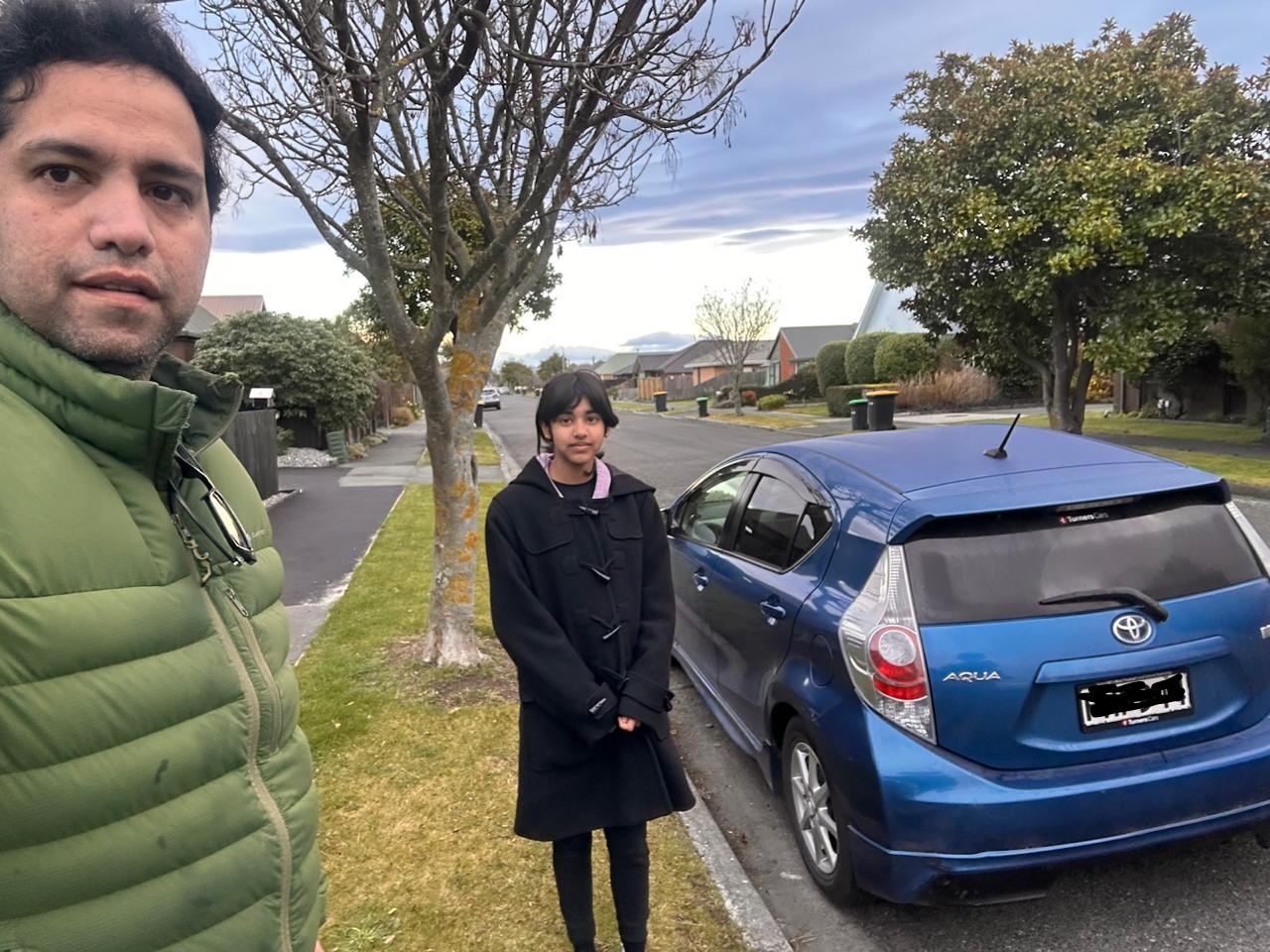
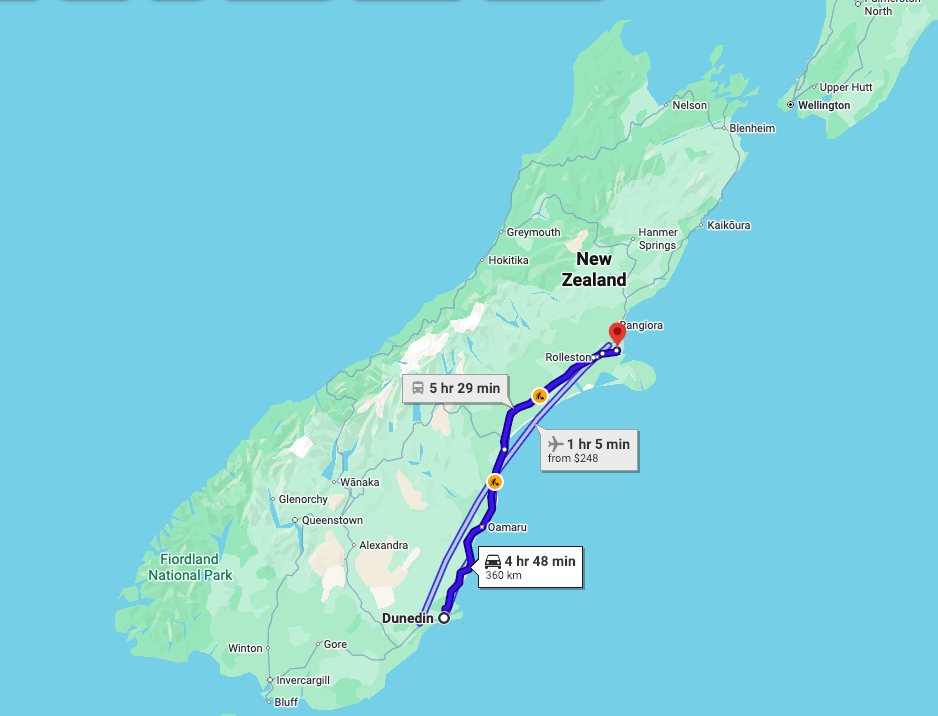
I do not have a van or camping equipment. So we both planned to stay as guests in a homestay. The first plan was to go from Dunedin to Christchurch - almost four hundred kilometers. In an economical, long-distance Toyota Aqua car, traveling along the east coast road in New Zealand's South Island - mostly a single-lane road. Compared to Dunedin, Christchurch is a big city. From there, there will be opportunities to travel in many directions. We thought that without any plan, by going 'along the coast', we could map out the travel circumference.
Having driven up to Christchurch, I felt a little physically tired. This is just first-day fatigue. Having driven a two-wheeler for many distances in the past, this fatigue is not new to me. The mental fatigue of not being able to bring my wife along also joined like the confluence of the Ganges. As someone who travels without getting tired, it also felt that I only have to wait a little time to travel this journey again with her. In another way, I see this fatigue as an elixir given by nature.
Shortly after crossing Dunedin, the weather and temperature conditions changed, and the heat slightly increased. Because we were leaving behind the cool, humid sea breeze of the southern coastal region. Furthermore, the north-westerly winds crossing the South Island cause a dry and warm 'Foehn' effect.
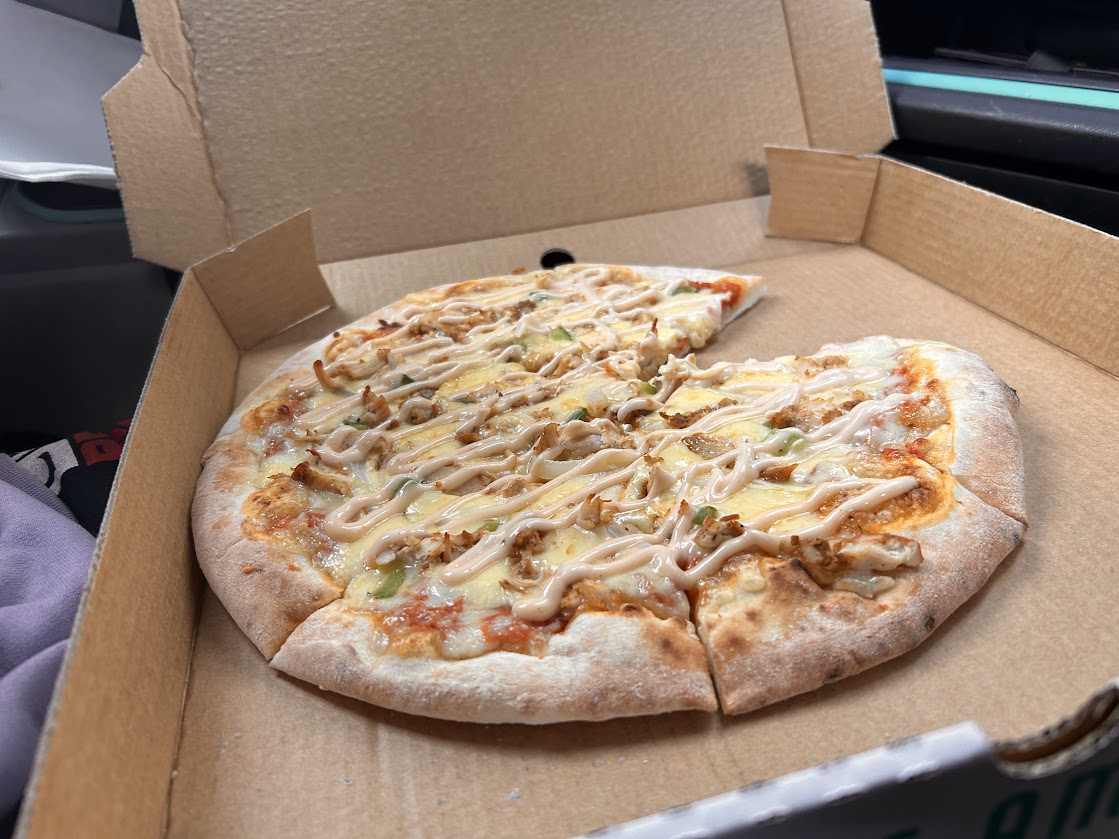
As we approached Oamaru, the Foehn effect triggered a pizza craving in my daughter Sara.
Next part coming soon.