
வணக்கம் நண்பர்களே
சமீபத்தில் டுனிடின் தமிழ் சங்கத்தில் எனக்கு கிஷோருடன் பழக வாய்ப்பு கிடைத்தது. அவர் பாரதியார் பல்கலைக்கழகத்தில் இயற்பியல் துறையில் முதுகலை மற்றும் முனைவர் பட்டம் பெற்றவர். அவர் தரவு அறிவியல் துறையில் வேலை பார்ப்பது மட்டுமின்றி, பல அறிவியல் கல்வி சார்ந்த பாடக் குறிப்புகளை உருவாக்குவதிலும் ஆர்வம் கொண்டிருந்தார். இந்த ஆர்வத்தை அவர் மகளுக்கும் கடத்தும் பொருட்டு, அதை வடிவமைத்து வருவதாகச் சொன்னார். அவர் கூறியது சென்னையைச் சேர்ந்த என் பியானோ ஆசிரியர் சட்டர்ஜீ கூறியதை நினைவூட்டியது. "பெற்றோர்களே பிள்ளைகளின் முதல் ஆசிரியர்" - நான் என் மகளை அவரிடம் பியானோ வாசித்துக் காட்டச் சென்றபோது என்னிடம் அவர் பகிர்ந்து கொண்ட பாடம்.
அப்படி என்ன கிஷோரின் மகள் தந்தையிடம் கற்றுக்கொள்கிறாள்?
சமீபத்தில் கிஷோர் எங்கள் குடும்பத்தையும் ரவி குடும்பத்தோடு விருந்துக்கு அழைத்தார். வீட்டின் வரவேற்பறையில் எல்லோரும் தரையில் உட்கார்ந்து பேசிக்கொண்டிருந்தனர். அரட்டை என்றும் கூறலாம். தின்பண்டங்கள் நிறைந்து காணப்பட்டன. ரவி, அவரது மனைவி, மகள் மற்றும் இந்தியாவிலிருந்து வந்த அவரது தாய், தந்தை ஆகியோர் எங்களுக்கு முன்பே வந்துவிட்டனர். தொலைக்காட்சிப் பெட்டியை ரவி இயக்கிக்கொண்டிருந்தார். கிஷோரும் அவரது மனைவி தர்ஷனாவும் சமைத்துக்கொண்டிருந்தனர். என் மனைவி பிரியா தமிழ் சங்கத்தின் பொறுப்புகளைப் பற்றி பேசிக்கொண்டிருந்தாள். நான் ஓரமாக அமர்ந்தபடி வாசனையை ரசித்துக்கொண்டிருந்தேன். பூரியும் மசாலும், சிக்கன் கிரேவியும், தேங்காய்ப்பால் சாதமும் - அந்த நிமிடமே எனக்குப் பசியெடுத்தது. சாராவும், கிஷோரின் மகள் ரியாவும், ரவியின் மகள் லக்ஷனாவும் வேறொரு அறைக்குச் சென்று விளையாடத் தொடங்கிவிட்டனர். இந்தச் சூழல் பொதுவாக வெளிநாட்டில் வாழும் இந்தியர்களிடையே வழக்கம்தான்.
அரசியல், சினிமா மற்றும் உள்ளூர் செய்திகளைப் பகிர்ந்துகொண்டபின், பூரியைச் சற்று சுவைத்துப் பார்த்தேன். அதன் பிறகு ரவி குடும்பத்தார் கிளம்பிவிட்டனர். கிஷோரும் அவரது மனைவியும் சமையலறை வேலையை முடித்துவிட்டு சற்று அமர்ந்தனர். கிஷோரிடம் அவரது அறிவியல் சார்ந்த பொழுதுபோக்கைப் பற்றி கேட்கத் தொடங்கினேன். பொது விஷயங்களைப் பேசும்பொழுது தமிழக முதலமைச்சர் விஜய் போல புன்னகைக்கும் கிஷோர், அறிவியலுக்கு வேறொரு முகம் காண்பித்தார். அவரது ஆர்வத்தை அதில் பார்த்தேன். தன் மகளுக்கு அறிவியல் பாடத்தை செயலறிவின் மூலம் வளர்ப்பதாகக் கூறினார். அவளுக்கு இதில் ஆர்வம் இருக்கிறதா என்ற பொதுவாக எழும் மேற்கத்திய பாணியிலான கேள்வி மனதில் உதிக்க... அதைச் சற்று கட்டுப்படுத்திக்கொண்டேன். ஏன் என்றால், இது வேறு.
உதாரணமாக எடுத்துக்கொண்டால், இசை பயிலும் குழந்தைக்கு ஆரம்ப காலங்களில் வீட்டிலுள்ள பெற்றோரால் இசை ஊட்டப்படுகிறது. அதேபோலத்தான் அறிவுசார் கற்றலுக்கான சூழ்நிலையை அமைத்துக் கொடுப்பதும்.
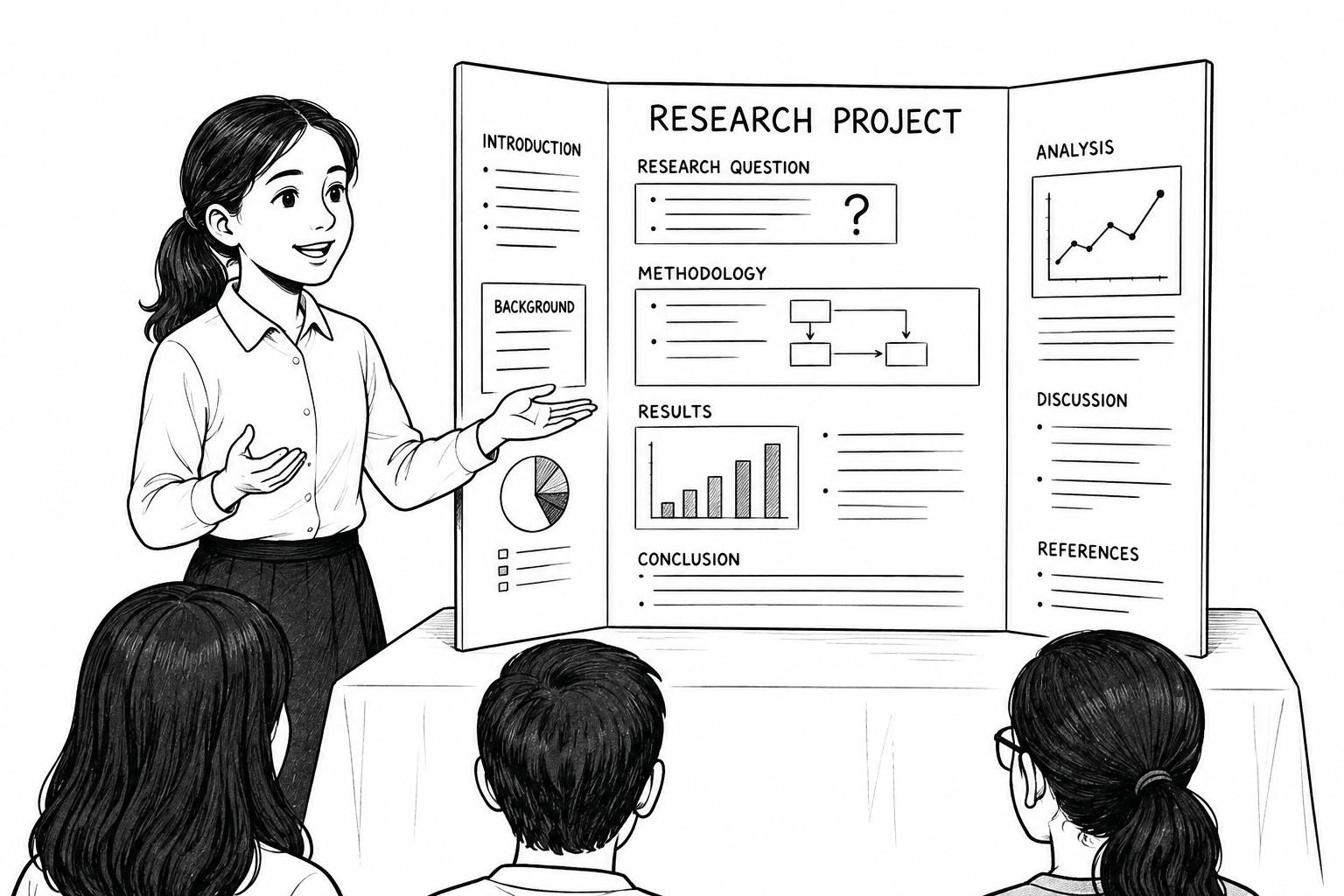
ரியாவின் ஆய்வு சார்ந்த அறிவியல் அட்டையை அவளது அறையிலிருந்து கொண்டுவந்து கிஷோர் ஆர்வத்துடன் காண்பித்தார். அது மவோரி இன மக்களின் தரவுகளைக் கொண்டு செய்யப்பட்ட ஆய்வு என்பதை விவரித்தார். நான் முதுகலைப் படிப்பில் செய்த ஆய்வைப் போன்ற பகுப்பாய்வும் காட்சிப்படுத்தலும் கொண்டதாக இருந்தது. அந்த ஆய்வு அட்டை மூன்றாக மடித்து வைக்கக்கூடியதாக இருந்தது. அறிமுகத்தில் தொடங்கி, ஆய்வுக் கேள்விகளைத் தெளிவாக வரையறுத்து, அதன் பகுப்பாய்வுக்குப் பின் முடிவுரையும் எழுதப்பட்டிருந்தது.
கிஷோர் காணும் மின்னணு சார்ந்த எதிர்காலக் கனவுகளை என்னிடம் விவரித்தார். அதன் ஒரு முயற்சியாக, மின்சார உற்பத்தி பற்றிய பாடத்தை அவளுக்குக் கற்றுக்கொடுப்பதாகவும், இதற்காகப் பல மின் நிலையங்களுக்கு தன் மகளை அழைத்துச் சென்று அவற்றை நேரடியாகக் காண்பிக்கத் திட்டம் உள்ளதாகவும் சொன்னார்.
இசைச் சூழலில் வளரும் குழந்தைக்கு எப்படி தம்பூராவின் ஓசை ஒருவித ஆன்மீகக் கற்றலை அளிக்குமோ, அதேபோல தந்தையின் அறிவியல் ஆர்வம் தன் குழந்தைக்கு அறிவுசார் சூழலைத் தரக்கூடும்.
இந்தச் சந்திப்புக்குப் பின்னர் நான் கிஷோருடன் பெரிதாகப் பேசுவதற்கு வாய்ப்பு அமையவில்லை. ஆனால் அவர் அளித்த பாடம் என்னிடம் பத்திரமாக இருந்தது. குடும்பத்தில் அறிவுசார் சூழலை நாம் அமைத்துக்கொள்வது பற்றிய பாடம் அது. தந்தைக்கும் மகளுக்கும் இடையிலான உறவுப் பாலத்தை அறிவைக் கொண்டு அமைக்க உதவும் பாடம் அது.
ரியாவின் ஆய்வைப் பற்றி தெரிந்துகொண்ட எனக்கு, அவள் பின்பற்றிய வழிமுறைகளை அறிவதற்கு ஆர்வமாக இருந்தது. அதைப்பற்றி என்னுள் எழுந்த கேள்விகளை அவளிடம் மின்னஞ்சல் மூலம் பகிர்ந்து, அவளிடமிருந்து விடைகளைப் பெற்றுக்கொண்டேன். பின்வரும் பகுதி உங்கள் வாசிப்புக்காக. இதை நான் மொழிமாற்றம் செய்யாமல், உங்கள் வாசிப்புக்காகப் பதிவு செய்கிறேன்.
Vish: Can you introduce yourself?
Riya: Kia Ora, my name is Riya Rasika Kishor Kumar. I am a Year 10 student at Columba College in Dunedin, New Zealand. I enjoy learning about science and how it can be used to solve real-world problems. I am particularly interested in health and research because I find it fascinating how evidence and investigation can help improve people's lives.
Vish: Can you tell us about your hobbies/interests?
Riya: My hobbies include science research, badminton, dance, swimming, art and learning new things. I enjoy exploring topics related to health and biology. I also like setting personal goals and challenging myself to improve both academically and personally.
Vish: What motivates you to participate in science experiments?
Riya: I enjoy science experiments because they allow me to investigate questions and discover answers through evidence. I like the process of testing ideas, analysing results, and learning from mistakes. It is exciting to know that even a small study can contribute to a better understanding of a problem and potentially help others.
Vish: Can you share the experience of collaborating with your dad?
Riya: Working with my dad was one of the most valuable parts of this project. He supported me throughout the research process and helped me think more critically about the data we collected. One area where he particularly helped was coding in Python. He used Python to assist with data analysis and visualisation, and through this process I learned how coding can be used as a powerful tool in scientific research.
Watching and discussing the code with him helped me better understand how data can be organised, analysed, and presented clearly. It also showed me how technology and science can work together to answer research questions. Beyond the technical aspects, my dad encouraged me to stay curious, ask questions, and keep improving the project. Working together taught me the importance of teamwork, problem-solving, and continuous learning.
Vish: At a high level can you give us an overview on how to conduct a study?
Riya: 1. Identify a Question or Problem: Start by choosing a topic and developing a clear research question that you want to investigate.
2. Conduct Background Research: Read books, articles, and reliable sources to understand what is already known about the topic.
3. Plan the Method: Design a fair and reliable way to collect information or data that will help answer the research question.
4. Collect Data: Carry out the study by gathering observations, measurements, survey responses, or other relevant data.
5. Analyse the Data: Organise and examine the data to identify patterns, trends, or relationships.
6. Interpret the Results: Consider what the findings mean and whether they answer the original research question.
7. Draw Conclusions: Summarise the key findings and explain what was learned from the study.
8. Communicate the Findings: Share the results through a report, presentation, poster, or publication so that others can learn from the research.
Throughout all these steps, it is important to remain objective, use evidence to support conclusions, and be open to learning from both expected and unexpected results.
Vish: What are some of the pain points of doing a scientific study?
Riya: One challenge is collecting reliable data, especially when resources or time are limited. Another difficulty is dealing with unexpected results, which may require revising the method or repeating parts of the study. Research also requires patience because analysing information and drawing accurate conclusions can take a significant amount of time and effort.
Vish: If you would ask for support from the School or Government for research, what would that be?
Riya: I would appreciate greater access to research opportunities, mentorship programmes, and scientific resources for students. It would be helpful if schools could provide more opportunities for students to participate in research projects and connect with scientists and university researchers. Support for science fairs, competitions, and community-based research initiatives would also encourage more young people to explore science and innovation.